
1878
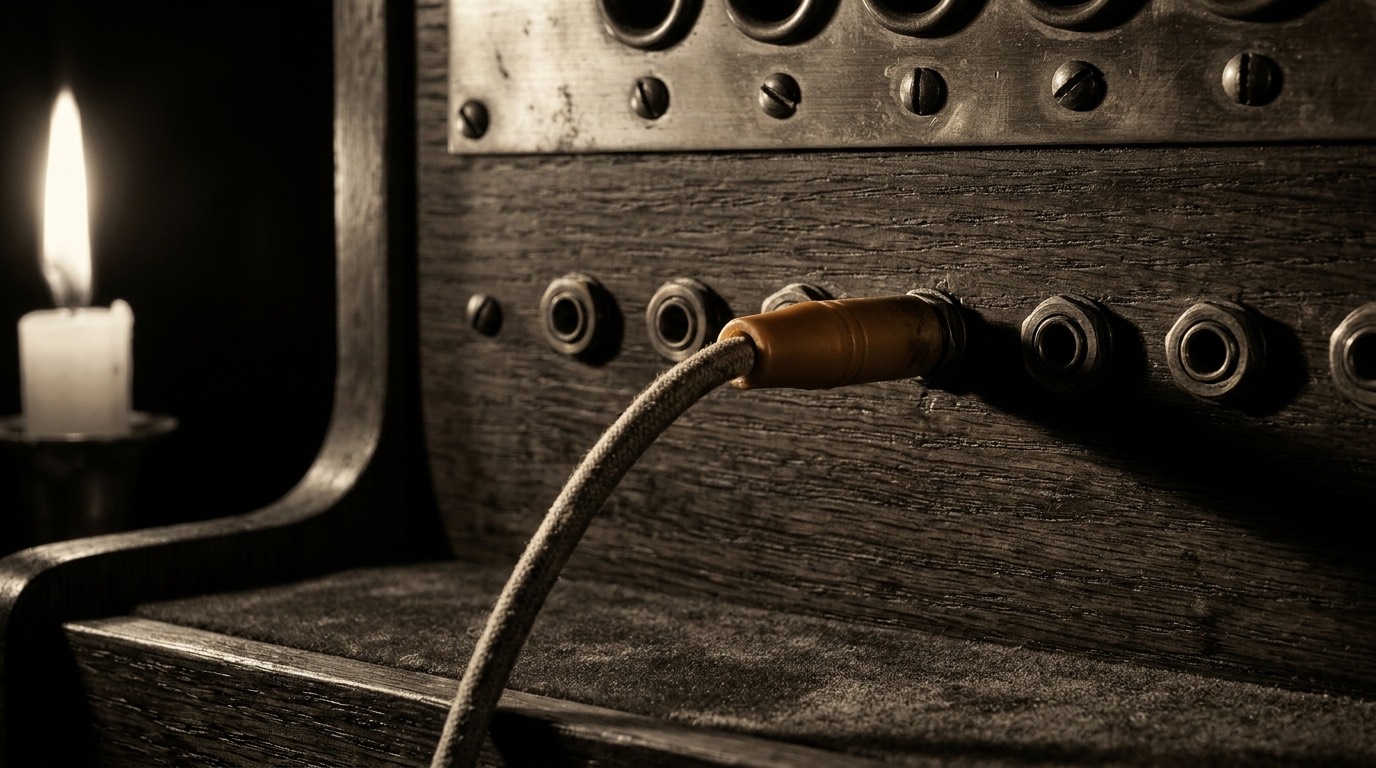
The first exchange
Operators, hired for the warmth of their voices, connect every call by hand at boards like this one.
The wire’s century
1878, now
A century of the same line, and what was speaking on it each time.
1878
The first exchange
Operators, hired for the warmth of their voices, connect every call by hand at boards like this one.
1920s
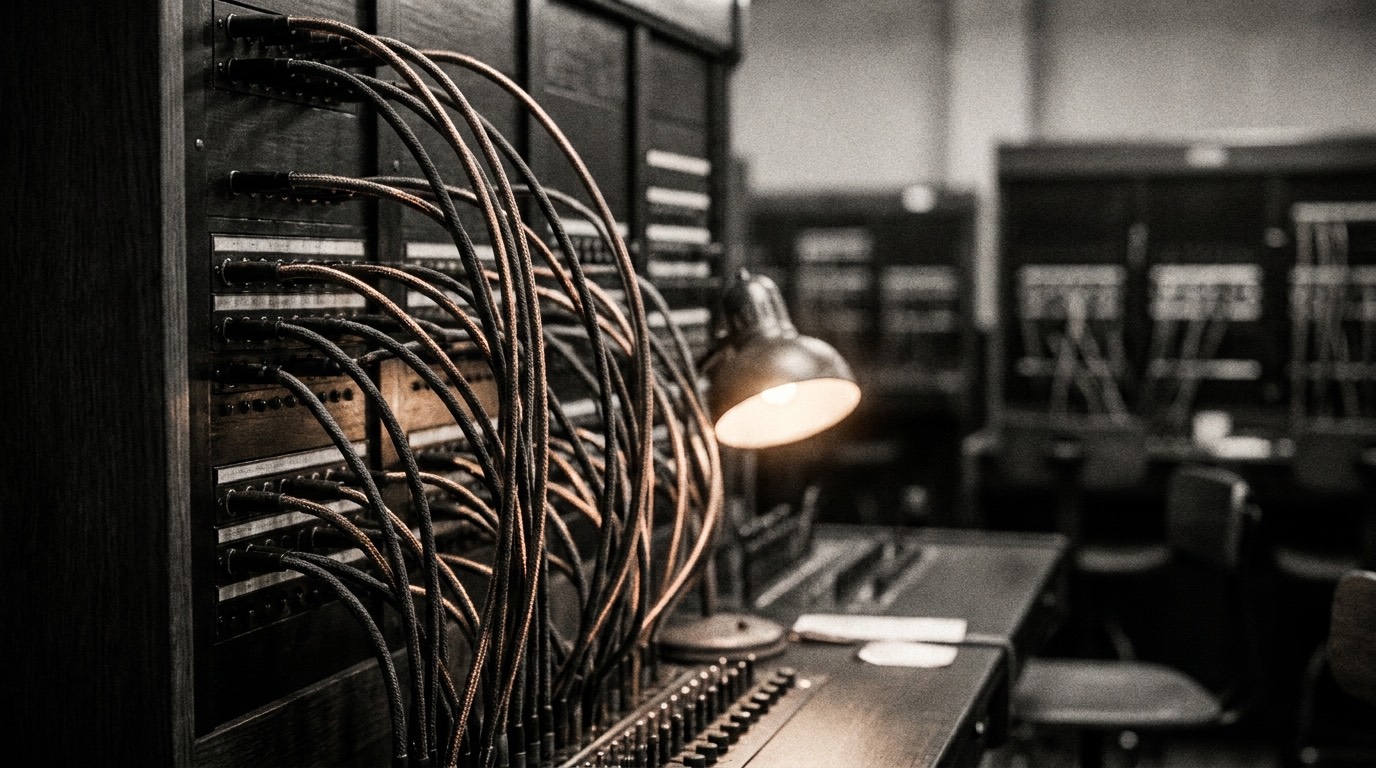
The board grows arms
The operator is the routing layer, the directory, and the reassurance on the line, the first voice agent.
1960s
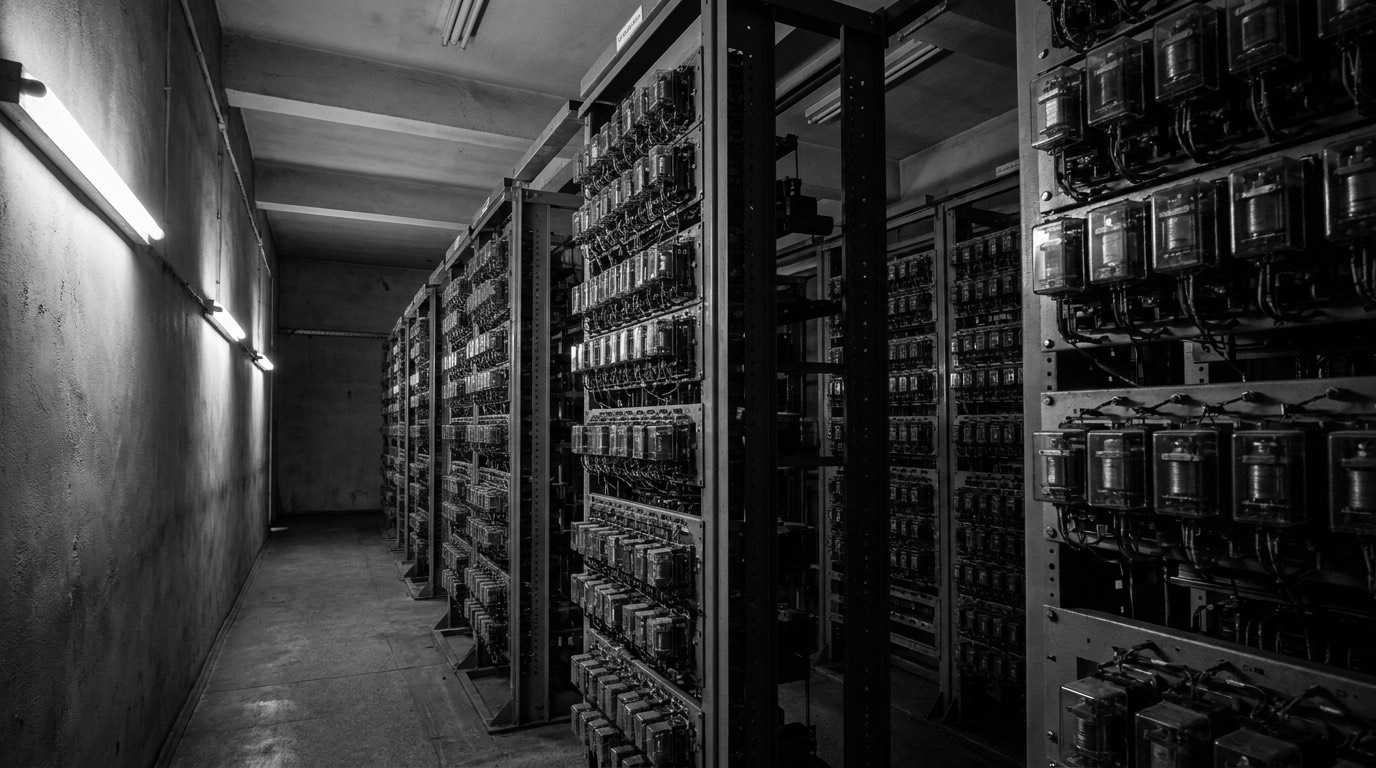
The operators leave
Automatic switching retires the cords, nobody speaks on the wire for a generation.
1980s
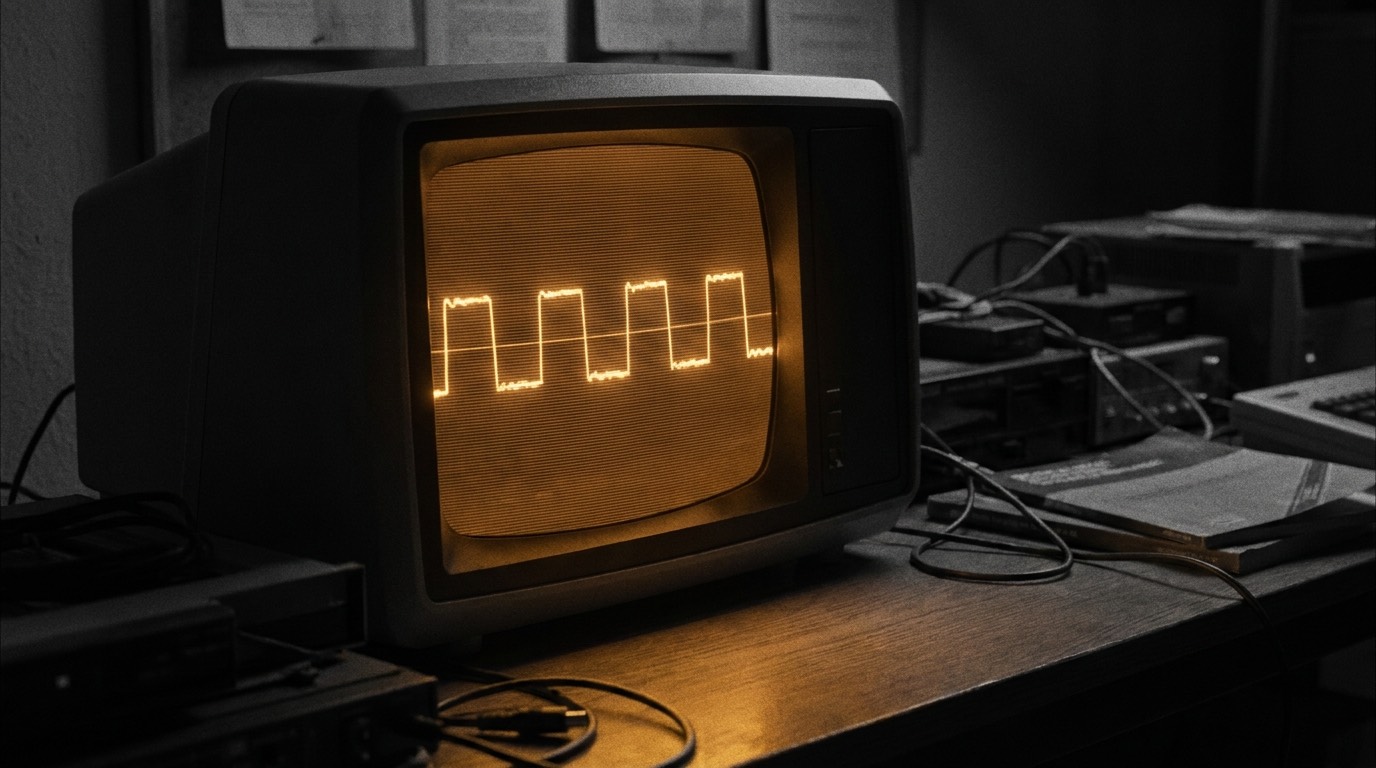
The machines learn to read
Formant synthesis puts a robotic voice on the phone, everyone learns to shout “representative”.
now

The voice comes back
Neural TTS makes the machine voice warm again, and the new exchanges bill the conversation by the letter.
The exchange
Five eras of the wire, one live switchboard, and the reason our invoice has no meter.
1878 · boards like this one, live, pick up a call
the gandr exchange · telegram
Recovery calls that keep the customer.
We know, because we were on that meter.
us
We ran a product that spoke to thousands of people at once, and every vendor sold us the same thing: a cap we outgrew, and a meter that punished us for growing.
the answer
So we built Spex-TTS, on capacity we hold open ourselves, fast enough to answer inside a breath and priced like infrastructure rather than ink.
the mission
Everything is learning to speak. Gandr exists to be its voice. Everywhere, unmetered, measured in milliseconds.